Famous landmarks
A handful of monuments define the image of Europe in the imagination of travellers everywhere. They are famous for good reason, and they are also busy for good reason. The difference between a rushed visit and a memorable one usually comes down to timing and a little preparation.
| Landmark | Where | Why it matters | Timing tip |
|---|---|---|---|
| Eiffel Tower | Paris | Iron icon built for the 1889 World's Fair | After dark it sparkles for a few minutes on the hour |
| Louvre Museum | Paris | One of the world's largest art museums | Pre-book and explore beyond the Mona Lisa |
| Colosseum | Rome | The largest amphitheatre of ancient Rome | Book timed entry; pair with the Roman Forum |
| Vatican City | Rome | St Peter's Basilica and the Sistine Chapel | Arrive early; shoulders and knees covered |
| Sagrada Família | Barcelona | Gaudí's extraordinary basilica | Choose a sunny day for the stained-glass colour |
| Acropolis | Athens | The Parthenon and its ancient sanctuary | Go at opening or late afternoon to avoid heat |
| Schönbrunn Palace | Vienna | Summer residence of the Habsburgs | Leave time for the formal gardens |
| Rijksmuseum | Amsterdam | Dutch Golden Age masterpieces | Weekday mornings tend to be calmer |
| Mont Saint-Michel | Normandy | A Gothic abbey on a tidal island | Check tide times and stay overnight |
Visiting landmarks well
Most headline sites now use timed-entry tickets, and the most popular slots can sell out in high season. Buy through the official website or authorised resellers, and be wary of unofficial sellers outside the entrance.
- Go early or late. The first hour after opening and the final hours before closing are consistently calmer.
- Pair the famous with the nearby. Combine the Colosseum with the Palatine Hill, or the Louvre with a walk through the Tuileries.
- Respect dress codes. Religious sites, including St Peter's Basilica, expect covered shoulders and knees.
- Mind your belongings. Crowded landmarks attract pickpockets; carry valuables in a front pocket or zipped bag.
The Acropolis at eight in the morning and at noon in July are two entirely different places.
Nature & landscapes
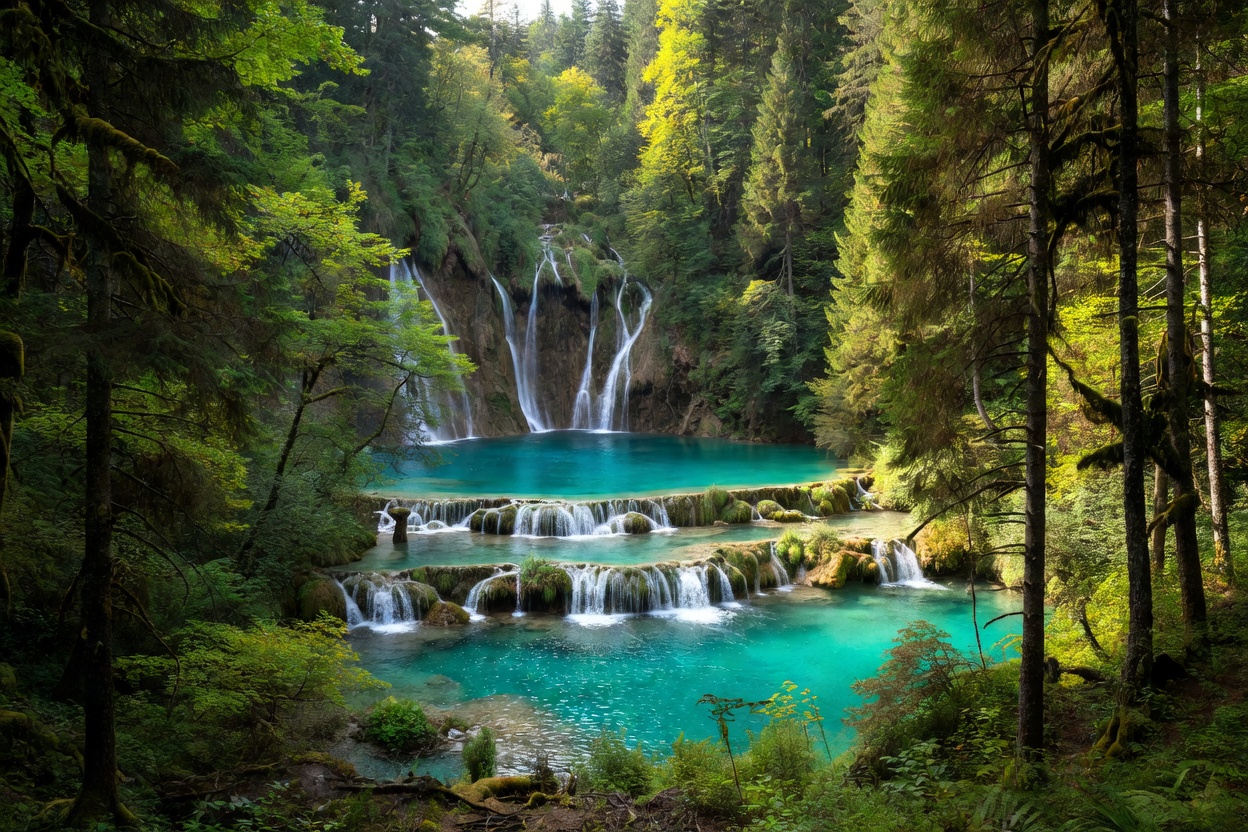
Beyond the cities, Europe's landscapes are astonishingly varied for such a compact continent.
The Swiss Alps & Lake Geneva
Interlaken is the classic base for the Jungfrau region, with mountain railways, cable cars and hiking trails for every ability. Around Lucerne, Mount Pilatus and Mount Rigi offer panoramic day trips, while Lake Geneva's shoreline is gentler, with vineyards, lakeside promenades and the Château de Chillon near Montreux.
The Norwegian Fjords & the Arctic
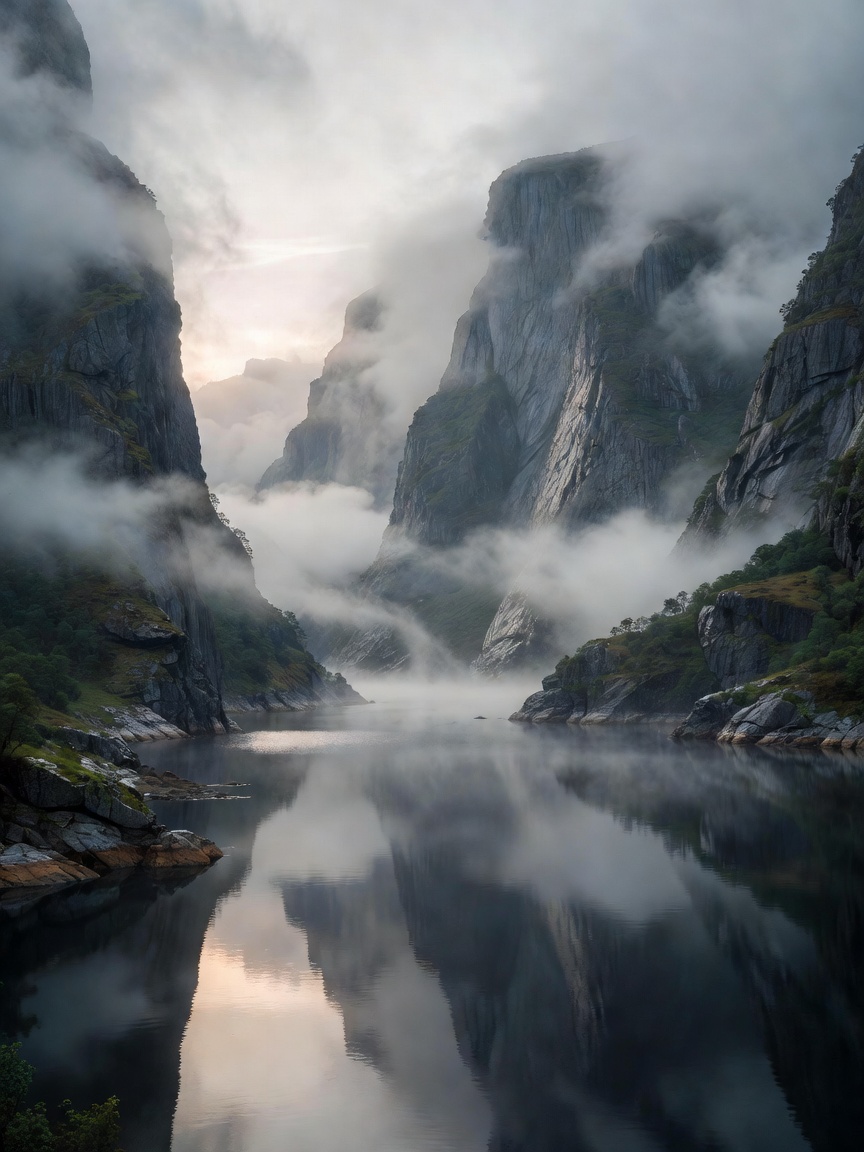
The Geirangerfjord and Nærøyfjord are UNESCO-listed and best explored by boat. Further north, the Lofoten Islands rise straight from the sea, and Tromsø offers the northern lights in the dark months and near-endless daylight in summer.
Lakes, gardens & gorges
Croatia's Plitvice Lakes are seen from boardwalks, and swimming is not permitted. Austria's Hallstatt sits on a glassy Alpine lake, and Innsbruck's Nordkette cable car lifts you from the city into high mountains. Keukenhof's spring tulips, Giethoorn's canals, Madeira's levada walks and Crete's Samaria Gorge complete a remarkable range.
Beaches & islands
Europe's coastlines range from volcanic Aegean islands to Atlantic cliffs. Know what kind of beach you want before you choose.
- Santorini — volcanic beaches of red and black sand; the real draw is the caldera view.
- Mykonos — sandy coves, beach clubs and a lively summer scene.
- Crete — long sandy stretches and lagoons such as Balos and Elafonisi.
- Amalfi Coast — small, often pebbly beaches, many best reached by boat.
- French Riviera — Nice's pebble shore, with sandier beaches further along the coast.
- Costa del Sol — long, accessible beaches with extensive resort facilities.
- Algarve — golden cliffs, sheltered coves and sea caves such as Benagil.
- Hvar & the Dalmatian Coast — clear water, pebble coves and the nearby Pakleni Islands.
- Madeira — dramatic volcanic shores; neighbouring Porto Santo offers a long golden beach.
Coast or mountains?
Coast & islands
- Swimming, boat trips and long lazy days
- Excellent seafood and outdoor dining
- Very busy in July and August; ferries need planning
Mountains & fjords
- Cooler summers and superb hiking
- Outstanding scenic rail and boat journeys
- Weather changes quickly; higher costs in Switzerland and Norway
Timing matters most for nature. See the best time to visit each region before you book.