Cities
Europe's cities are the backbone of most itineraries, but they are not interchangeable. A grand capital asks for several days and a plan; a smaller historic city can be absorbed on foot in two. Knowing the difference is the key to a trip that feels generous rather than hurried.
The great capitals — Paris, Rome, Madrid, Vienna, Athens, Lisbon, Amsterdam and Oslo — combine world-class museums with distinct neighbourhoods, each almost a city in itself. Smaller historic cities such as Florence, Seville, Salzburg, Lucerne, Porto, Bergen, Split and Dubrovnik concentrate their beauty into walkable centres. Then there are the outliers: Rotterdam and Zurich for contemporary design and lakeside or harbour living, Innsbruck for mountains at the end of the street, and Tromsø for life above the Arctic Circle. Venice belongs to no category at all.
City styles compared
| City style | Examples | Ideal stay | Best for |
|---|---|---|---|
| Grand capital | Paris, Rome, Vienna, Madrid | 3–5 nights | Museums, architecture, dining |
| Historic gem | Florence, Seville, Salzburg, Porto | 2–3 nights | Walking, atmosphere, food |
| Waterfront city | Amsterdam, Lisbon, Venice, Bergen | 2–4 nights | Canals, harbours, viewpoints |
| Modern & design-led | Rotterdam, Zurich, Oslo | 1–2 nights | Architecture, galleries, lakes |
| Gateway town | Interlaken, Innsbruck, Tromsø, Split | 2–3 nights | Day trips into nature |
Things to do
The best experiences in Europe are often simple. These are the moments travellers tend to remember long after the photographs fade.
- Take an evening boat along the Seine in Paris as the bridges light up.
- Ride a vaporetto the length of Venice's Grand Canal, or splurge on a gondola through quieter side canals.
- Watch flamenco in Seville, where the art form is deeply rooted.
- Walk Dubrovnik's city walls early in the morning, before the heat and the crowds.
- Spend an unhurried afternoon in a traditional Viennese coffee house.
- Visit a port wine lodge in Vila Nova de Gaia, across the river from Porto.
- Explore the colourful Pena Palace and the gardens of Sintra.
- Cycle Amsterdam's canals, following local etiquette and bike lanes.
- Join a guided northern lights excursion from Tromsø in winter.
- Drift through Giethoorn by small electric boat.
- Hike an Alpine trail above Interlaken or Lucerne.
- Watch sunset over the caldera from Oia on Santorini.
- Ride one of Lisbon's historic trams through the Alfama district.
- Attend a classical concert in Vienna or Salzburg.
Book the concert, the palace and the boat trip; leave the afternoons unplanned.
Food by country
France
Buttery croissants, bistro classics and cheese from every region. On the Riviera, try socca and salade niçoise; in Normandy, crêpes, cider and Camembert.
Italy
Cacio e pepe and carbonara in Rome, bistecca alla fiorentina in Florence, cicchetti in Venetian wine bars, lemons and seafood along the Amalfi Coast, and gelato everywhere.
Spain
Tapas culture, paella (whose home is Valencia), jamón ibérico, churros with chocolate in Madrid, chilled gazpacho and salmorejo in Andalusia, and grilled sardine skewers on the Costa del Sol.
Greece
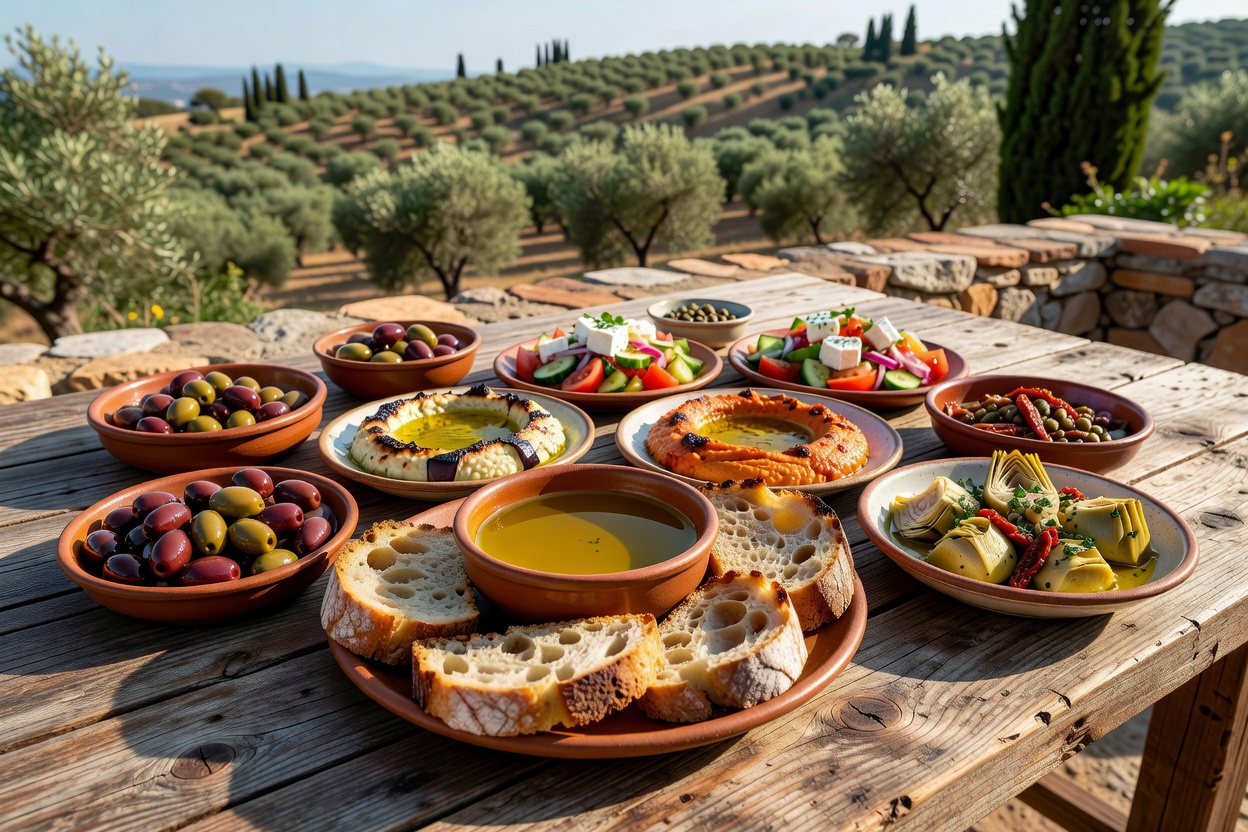
Meze to share, moussaka, souvlaki, Greek salad, Cretan dakos and simply grilled fish by the water.
Switzerland & Austria
Fondue, raclette, rösti and chocolate in Switzerland; Wiener schnitzel, Sachertorte, apple strudel and hearty Tyrolean Käsespätzle in Austria.
Portugal
Pastel de nata, salt cod (bacalhau) in countless forms, grilled sardines, Porto's francesinha sandwich and, of course, port. On Madeira, try espetada and Madeira wine.
Netherlands
Warm stroopwafels, bitterballen with a drink, raw herring from street stalls, Gouda and Edam, and Indonesian rijsttafel.
Norway & Croatia
Norway offers salmon, brunost (brown cheese), Lofoten stockfish and cinnamon buns. Croatia serves black risotto, slow-cooked peka, Pag cheese, pršut and the day's catch.
Eating well
Eat when locals eat: Spain dines late, while Switzerland and Norway eat earlier. Look for set lunch menus such as Spain's menú del día, and expect a modest cover charge (coperto) in many Italian restaurants. Tipping is generally modest across Europe — rounding up is common.
One street back
- More regional menus
- Better value in most cities
- Livelier local atmosphere
Beside the landmark
- Unbeatable views
- Often higher prices
- Menus aimed at passing trade
Choosing where to base yourself? Our hotel guide matches stay styles to each city.